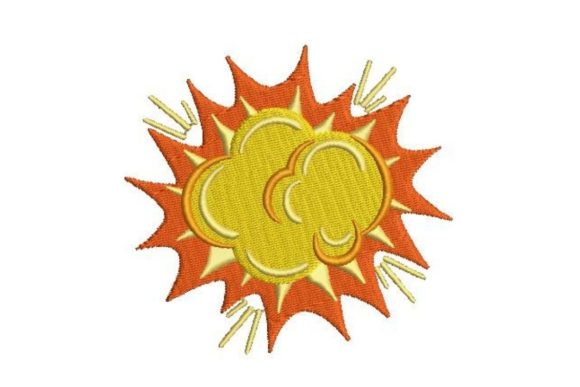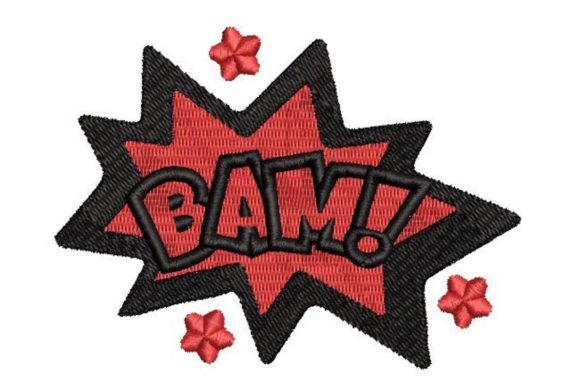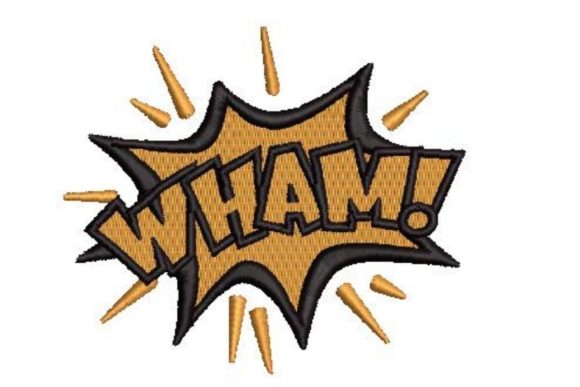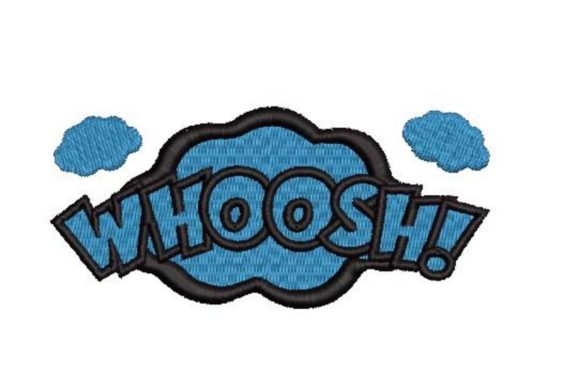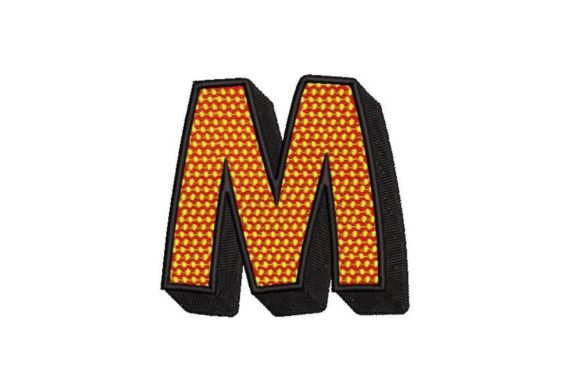
Comic Book Style Bubbles
A Practical Review for Small Business Merch & Branded Patches
As an embroidery designer who’s digitized and stitched thousands of designs for cafés, boutiques, florists, pet brands, and handmade studios, I approach every new machine embroidery design with two questions: “Does it translate professionally at scale?” and “Will it hold up across real-world business applications?” That’s why I tested Comic Book Style Bubbles across caps, aprons, tote bags, staff uniforms, and embroidered patches — not just as decoration, but as functional brand assets.
First Impression: Playful, Bold, and Surprisingly Versatile
Right away, Comic Book Style Bubbles reads as friendly and energetic — not childish or cartoonish. The title suggests dynamic line work, expressive shape language, and space for customization (as the description notes: “You can use this design together with a nice quote and create great outworks out of your ideas”). That’s key for small businesses: it’s not a finished logo, but a flexible embroidery file that invites personalization without sacrificing polish. It feels modern, slightly retro, and authentically handmade — perfect for brands that want to stand out while keeping warmth and approachability.
Real-World Performance Across Business Applications
Comic Book Style Bubbles shines where personality meets practicality:
- Embroidered patches: Works beautifully as a sew-on or iron-on patch for jackets, backpacks, or product packaging — especially when paired with a short brand tagline inside the bubble.
- Apron embroidery and cap embroidery: Its clean outlines and open interior handle curvature well on rounded surfaces like baseball caps or waistband curves — provided you test stitch placement first.
- Tote bag design and custom apparel: Scales confidently from 3” to 5” wide. On natural canvas or cotton duck, it reads clearly even at mid-range stitch density.
- Staff uniforms and small business merch: Adds visual interest to chest pockets or sleeve cuffs without overwhelming professional presentation — ideal for creative studios or Back To School vendors launching branded swag.
- Product packaging accents and customer gifts: When stitched onto kraft paper tags, linen pouches, or ceramic mugs (via fabric labels), it reinforces brand voice without looking generic.
Where to Use Comic Book Style Bubbles With Care
This isn’t a one-size-fits-all design — and that’s a strength, not a limitation. Use caution in these scenarios:
- Small patch sizes under 2”: Fine outlines may blur or lose definition; always run a test stitch before committing to production runs.
- Dark uniforms or textured fabric: High contrast thread colors are essential. Avoid light pastels on black twill unless you confirm thread coverage and stabilizer support.
- Frequent-wash items (e.g., café aprons, daycare staff shirts): Confirm stitch density allows breathability and durability — overly dense fills can stiffen fabric over time.
- Curved cap fronts: Digitally preview how the bubble’s top and bottom edges interact with dome shape; minor repositioning often improves legibility.
- Printable mockups for client approval: Always pair your digital embroidery file with realistic fabric texture overlays — flat renders misrepresent how bold lines read in thread.
How It Shapes Brand Identity and Customer Trust
For small businesses, every embroidered detail signals intentionality. Comic Book Style Bubbles doesn’t scream “corporate” — it whispers “we’re human, creative, and proud of what we make.” That builds trust faster than polished stock logos. When customers see it stitched on a florist’s canvas tote or a bakery’s apron, they register authenticity and care — hallmarks of strong brand identity. Used consistently across touchpoints (packaging, staff wear, event merch), it creates visual rhythm without repetition. And because it leaves room for custom quotes, it supports storytelling — a major engagement driver for Etsy sellers and handmade brands.
Essential Embroidery Designer Notes Before You Stitch
Before adding Comic Book Style Bubbles to your design assets, follow these field-tested steps:
- Test it in black and white first — assess outline clarity and negative space balance without color distraction.
- Check how it performs at your smallest intended patch size (e.g., 1.75”) — adjust underlay or reduce fill density if needed.
- Review thread color contrast on your target fabric — especially for dark garments or textured linens.
- Inspect spacing between elements: tight gaps risk skipped stitches or thread nesting on dense machines.
- Confirm hoop size compatibility — some versions may require larger hoops for full-scale versions.
- Test on your actual fabric + stabilizer combo — denim behaves differently than chambray, and fleece needs extra support.
- Create a physical mockup for client approval — photos beat PDFs every time for stakeholder buy-in.
- Compare it beside your other logo elements — does it complement, not compete?
- Verify commercial licensing — since it’s labeled as an embroidery file for business use, double-check usage rights before mass production or resale.
Bottom line: Comic Book Style Bubbles is more than a fun graphic — it’s a strategic tool for small business owners and embroidery shops building memorable, tactile brand experiences. Whether you're stitching for a local pet brand’s bandanas or designing limited-run Back To School merch for a creative studio, it delivers personality with precision. Just remember: great commercial embroidery starts with thoughtful testing — not just trusting the file. Your finished product depends on it.