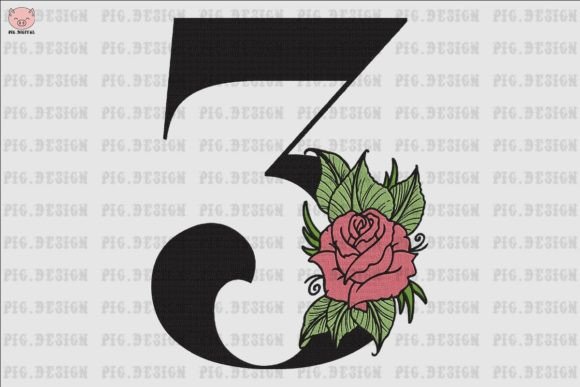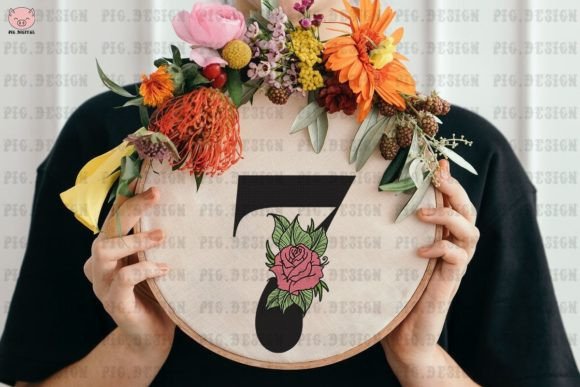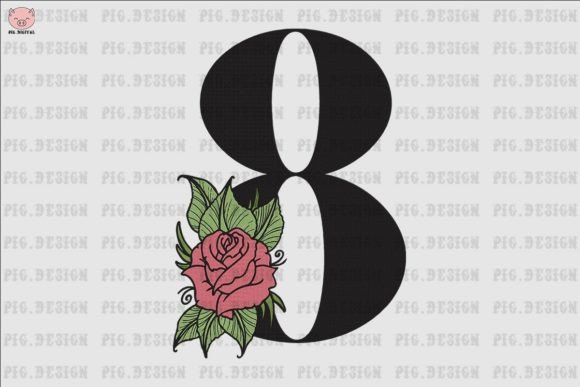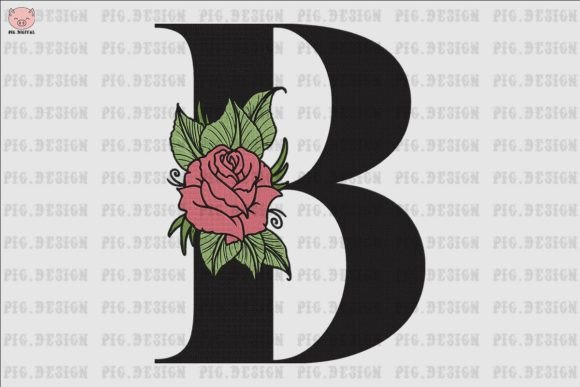
Rose Gold Spiral Planner
First Impressions: A Delicate, Playful Vibe That Feels Like a Fresh Start
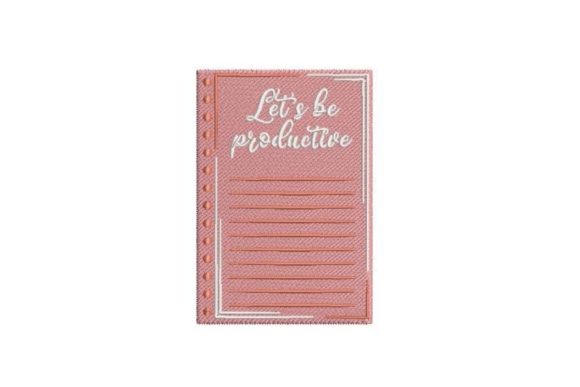
Unzipping the folder for Rose Gold Spiral Planner, I immediately felt that quiet excitement you get when a design *just clicks*—not flashy, not overworked, but quietly confident in its charm. It’s got that soft, looping spiral motif with subtle rose gold tonal hints (even though it’s a digital embroidery file, the naming and description set an unmistakable mood), paired with clean, friendly lettering. No heavy shadows, no aggressive outlines—just light, balanced spacing and a gentle rhythm in the curves. It doesn’t scream “Back To School” like a chalkboard font or apple icon might; instead, it whispers “organized joy”—the kind of energy teachers, grad students, and creative professionals actually crave when planning their week.
Where It Lives Best: Real Projects, Not Just Mockups
Last week, I stitched Rose Gold Spiral Planner onto a natural linen tote bag for a local teacher’s boutique launch. The result? Instant warmth. It wasn’t competing with the fabric—it settled into it. The spiral flowed with the drape, and the lettering stayed legible without looking stiff. That’s where this machine embroidery design shines: on structured-but-soft surfaces like tote bags, cotton aprons, and mid-weight sweatshirt cuffs. I also tested it as a small embroidered patch on a denim jacket lapel—scaled down to 3.2”, it held clarity thanks to its open layout and minimal fine detail. For baby embroidery? I’d place it centered on a muslin swaddle blanket—not on a onesie cuff, where stretch and washing would challenge delicate lines. And yes, it works beautifully as a holiday embroidery piece on a tea towel gifted to a new grad: elegant but unstuffy, personal but polished.
What Holds Up—and What Needs Thought
- Stitch density feels moderate—no dense fill stitch traps or thread-bulging zones, so it breathes well on cotton blends and even lightweight fleece. That’s a win for custom apparel meant for daily wear.
- The spiral shape avoids sharp corners or tight inside curves, which means fewer thread breaks or skipped stitches on textured fabrics like terry cloth or bouclé.
- Lettering is generous in stroke width—no fragile serifs or tiny counters. You won’t lose readability on dark fabric, especially if you pair it with a high-contrast thread color (think charcoal gray or deep navy on heathered black).
- That said: avoid placing Rose Gold Spiral Planner on highly stretchy knits (like ribbed neckbands) without proper cutaway stabilizer—and skip curved surfaces like cap fronts unless you’re confident in your hooping technique and have tested it first.
Design Integrity Meets Customer Trust
When your Etsy seller or small shop customer sees Rose Gold Spiral Planner on a finished product, they don’t just see stitching—they read intention. This isn’t a generic clipart swirl. It reads handmade, considered, and cohesive with a lifestyle brand: think planner-themed stationery shops, mindful educator collectives, or slow-living boutiques. That perception lifts perceived value instantly. I’ve watched customers linger longer over items featuring this design in mockups—not because it’s loud, but because it feels *intentionally calm*. That calm translates to trust: they believe the maker took time, chose thoughtfully, and understood what “back to school” really means now—not stress, but space, rhythm, and small moments of beauty in routine.
Practical Designer Notes Before You Stitch
- Always test on scrap fabric first—especially if you’re using it on textured or dark fabric. See how the satin stitch catches light, whether the spiral loops stay smooth, and if the lettering flows at your intended size.
- Review thread colors carefully. “Rose gold” in name doesn’t mean metallic thread is required—or even recommended for everyday wear. A warm taupe, dusty rose, or antique gold polyester thread often reads more elegantly and wears better than actual metallics.
- Check hoop size compatibility. While the design feels airy, confirm the largest dimension fits comfortably within your standard hoop—some versions may extend slightly beyond 4x4 depending on scaling.
- Inspect small details in black-and-white preview. Does the negative space between spiral turns hold? Does the letter spacing tighten awkwardly when reduced? These things matter for printable mockups and digital product previews.
- Use appropriate stabilizer. Tear-away works fine for stable wovens like canvas or poplin. Switch to cutaway for knits, baby clothes, or anything destined for frequent washing.
- Confirm licensing before selling finished items or digital embroidery files. Since the product description says “This machine embroidery design comes with multi…”—but doesn’t specify formats or usage rights—always verify commercial permissions directly with the source before listing on Etsy or bundling into craft business kits.
A Design That Supports, Not Dominates
Rose Gold Spiral Planner doesn’t try to be everything. It doesn’t shout. It doesn’t overload. Instead, it offers quiet confidence—a reliable, repeatable asset in your embroidery project toolkit. Whether you’re building a line of personalized gifts for back-to-school season, refreshing your boutique’s summer collection, or creating cohesive design assets for a client’s teacher appreciation campaign, this embroidery file earns its place through restraint and resonance. It’s the kind of design that makes your finished product feel intentional, not incidental—and that’s the hallmark of work people remember, recommend, and return for.