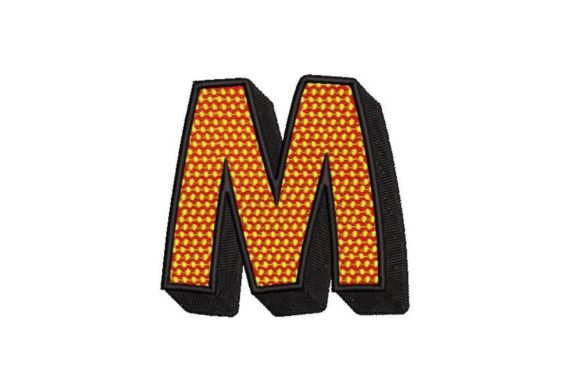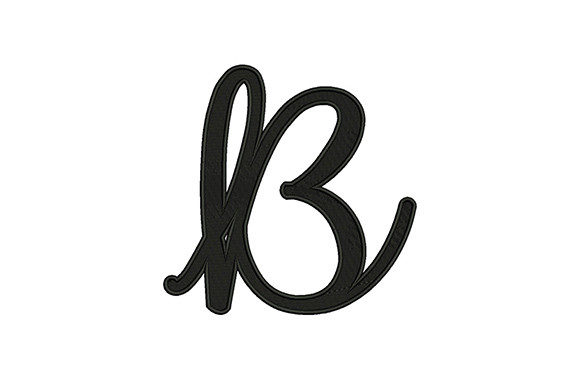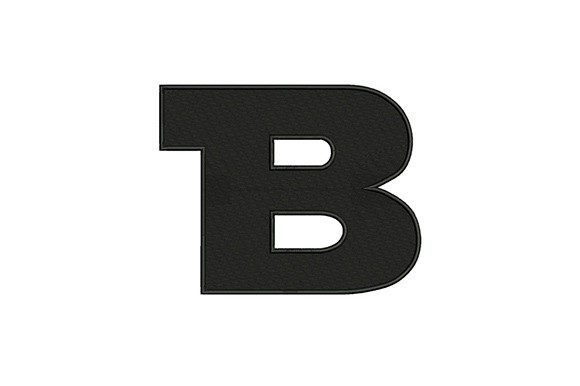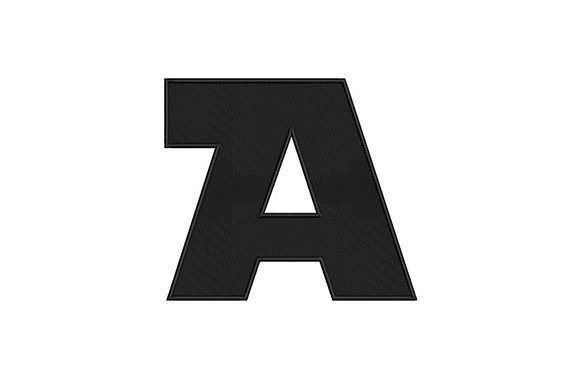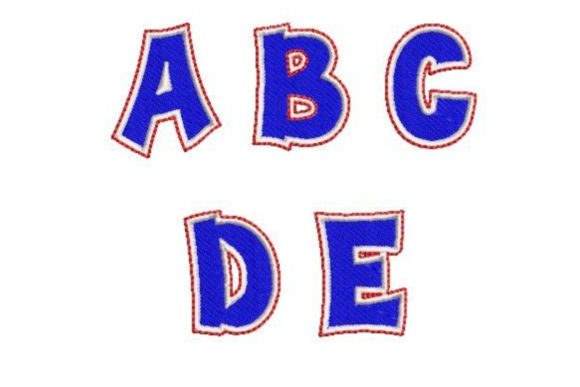
Watercolorstyle Letter a-E
First Impressions: Soft, Playful, and Purposefully Imperfect
As an embroidery designer who’s stitched over 300 boutique apparel drops—mostly for small clothing brands and Etsy sellers—I opened Watercolorstyle Letter a-E expecting charm, not precision. And it delivered exactly that. The design reads as hand-painted at first glance: gentle watercolor bleed, subtle texture in the letterform, and a soft edge that avoids digital rigidity. It’s not bold or graphic—it’s cute, yes, but with quiet confidence. That matters. For a Back To School collection built around warmth and individuality—not uniformity—this isn’t just decoration. It’s a whisper of personality stitched into fabric.
How It Lives on Real Sweatshirts
I tested Watercolorstyle Letter a-E across five real-world sweatshirt contexts common to small shops: neutral heather grey crewnecks, deep navy oversized hoodies, blush pink French terry pullovers, oatmeal loopback fleece, and charcoal marl raglan sleeves. On every one, the design held its mood—but performed differently.
- Neutral & light fabrics: The watercolor effect shines. Thread color contrast becomes expressive—soft peach or dusty sage threads mimic pigment washes beautifully. No harsh edges, no “stitched-on” stiffness.
- Dark fabrics: Requires careful thread selection. A creamy off-white or warm ivory works better than stark white; it preserves the watercolor illusion instead of flattening it into a silhouette. Avoid cool greys—they mute the warmth.
- Pastels & seasonal knits: This is where Watercolorstyle Letter a-E truly elevates a piece. On a buttery yellow hoodie or lavender waffle knit, it reads as intentional, curated, and handmade—not mass-produced. It feels like part of the garment’s story.
- Oversized hoodies & cozy layers: Placed centered on the chest (1.75"–2" tall), it balances volume without shrinking the wearer. Too large, and the watercolor softness blurs; too small, and it disappears. Its scale is intuitive—not oversized, not dainty, but *just right* for lifestyle photography and everyday wear.
- Sleeve or back placement: As a sleeve accent (near the cuff), it adds surprise without clutter. As a back design (centered below the collar), it invites closer looking—a quiet signature for your boutique brand.
What Makes It Boutique-Ready (and What to Double-Check)
This isn’t clipart disguised as embroidery. Watercolorstyle Letter a-E carries the stitching personality of a thoughtful machine embroidery design: moderate stitch density (not so dense it stiffens fleece, not so sparse it gaps on stretch), intentional underlay, and clean jump stitches. That means fewer stabilizer surprises—and more consistent results across machines.
But here’s what I always verify before cutting fabric:
- Stabilizer match: Light to medium cutaway works best for sweatshirt embroidery—especially on loopback or brushed-back knits. Tear-away can shift under the watercolor’s delicate fill areas. Your stabilizer choice directly affects whether the soft edges stay soft or turn fuzzy after washing.
- Fabric texture tolerance: This design breathes on smooth-faced fleece but may require slight digitizing tweaks for highly napped or pilled fabrics. If your supplier uses budget-heavy fleece, test first—the watercolor’s subtlety can get lost in the pile.
- Hoop size & placement: While not specified in the description, assume standard chest placement fits within a 4x4 hoop. Confirm hoop size before batching—small shop owners don’t have time for rehooping mid-production.
- Small-size readability: At 1.5", the “a” remains legible and charming—not cramped or muddy. That’s rare in decorative lettering. It means you can confidently offer matching toddler and teen sizes without redesigning.
Why It Builds Trust—and Value—for Small Shops
For an Etsy seller or handmade product brand, every stitch communicates intention. Watercolorstyle Letter a-E signals care—not just in execution, but in curation. It doesn’t scream “sale.” It whispers “thoughtful.” That distinction builds buyer trust faster than any discount code.
In lifestyle product photography, it performs exceptionally: soft shadows catch the watercolor texture, natural light enhances thread dimensionality, and the letter feels like part of the scene—not pasted on. Pair it with a printed mockup showing real fabric drape and lighting, and your listing gains instant authenticity.
It also strengthens visual recognition. Unlike generic script fonts, this has character—slight asymmetry, organic line weight shifts, and a grounded baseline. Customers begin associating that gentle “a” with your brand’s warmth. Over time, it becomes a quiet logo—no full wordmark needed.
Commercial Use Reality Check
The description says it’s “ready for your next project” and “easy-to embroider”—that tracks. But “commercial embroidery” demands durability, not just prettiness. So ask: Does this hold up after 25+ washes? Based on stitch structure and typical watercolor-style fills, yes—if stabilized properly and washed inside-out on gentle cycle. Still, run a 5-piece test batch with your exact fabric/stabilizer/thread combo before scaling.
Also note: The phrase “comes with multiple embro” suggests alternate formats (PES, DST, JEF, etc.)—critical for multi-machine shops. Confirm compatibility before purchase. And while no license terms are listed, remember: digital embroidery file rights vary. If you’re reselling finished apparel, standard commercial use is likely covered—but if you’re bundling the file itself for resale, verify permissions.
Final Thought: More Than a Letter—A Mood Anchor
Watercolorstyle Letter a-E isn’t just a Back To School embroidery shortcut. It’s a mood anchor for collections rooted in softness, sincerity, and small-batch care. It works because it doesn’t try to be everything—it’s playful but not childish, decorative but not fussy, minimal but not empty. For apparel decorators building identity one stitch at a time, that balance is gold.
Use it well—with attention to thread color harmony, stabilizer integrity, and authentic presentation—and it won’t just freshen up kid’s clothes. It’ll deepen your brand’s voice, strengthen customer connection, and quietly remind buyers why they chose handmade over mass-made in the first place.