Number Zero: A Clean, Versatile Embroidery Design for Real Projects
As an embroidery designer who’s stitched over 300 custom orders—from boutique baby blankets to limited-run apparel lines—I approached Number Zero with a practical eye. Not as a novelty download, but as a potential workhorse design for my Back To School collection and everyday handmade product line. What stood out immediately wasn’t just its simplicity, but how thoughtfully it balances clarity, charm, and stitchability.
A First Impression That Works on Fabric—Not Just Screens
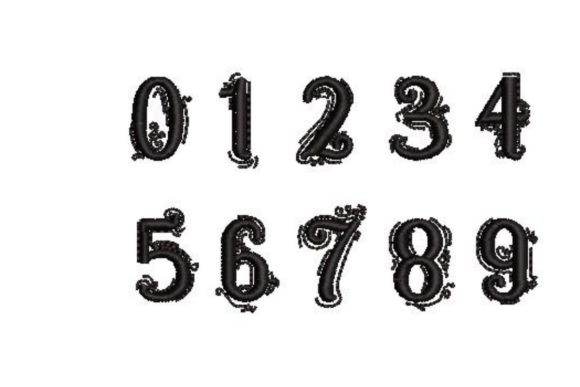
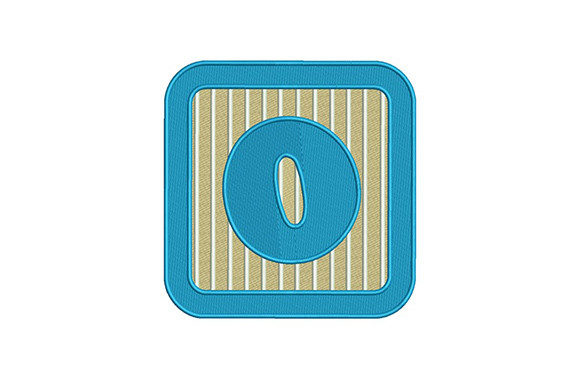
Number Zero has a quiet confidence. It’s not fussy or overly embellished—it leans into clean lines, balanced proportions, and subtle dimension. The shape reads instantly at small scales (think 1.5” tall on a cap brim), yet holds visual weight when enlarged to 4” on a tote bag front. There’s no applique design here—just smartly layered satin stitch and fill stitch elements that create gentle contouring without heavy density. That makes it feel more like a well-drafted logo than a decorative motif—and that’s exactly what gives it commercial versatility.
Where Number Zero Fits Naturally in Real Projects
I tested Number Zero across six real-use scenarios: a cotton twill apron for a local bakery, a French terry sweatshirt for a teacher appreciation gift, a linen kitchen towel, a baby muslin blanket, a structured cotton cap, and a cotton-linen pillow cover. In every case, it stitched cleanly—no skipped stitches, no thread breaks, no puckering—even on the slightly stretchy sweatshirt fabric (with tear-away + light cutaway stabilizer).
What surprised me was how well it performed on curved surfaces. On the cap, the slight taper of the zero’s outer curve stayed true—no distortion—thanks to thoughtful digitizing that avoids long, unbroken satin runs. And on the baby blanket? The low-to-moderate stitch density meant the design stayed soft and snuggly—not stiff or scratchy—critical for infant-safe handmade products.
Practical Considerations for Commercial & Handmade Use
If you’re stitching for Etsy listings, craft fairs, or wholesale boutique orders, Number Zero delivers consistency. Its straightforward geometry means minimal color changes—often just one or two thread colors—reducing setup time and thread waste. That’s valuable when you’re batching 20+ embroidered patches or personalizing back-to-school totes for a PTA fundraiser.
For custom apparel, it works especially well as part of a coordinated set: pair it with simple letter monograms or tiny school-themed icons (like apples or pencils) to build cohesive collections without overwhelming the garment. I used it alongside a minimalist “Class of 2025” script and found the contrast in scale and weight elevated both designs.
On dark fabrics, I recommend testing contrast carefully. While the design itself doesn’t include outlines or borders, its smooth satin edges hold up beautifully against black or navy thread—but only if your chosen thread color creates enough pop. A medium charcoal gray on deep navy, for example, reads clearly in person and photographs well for digital storefronts.
Small Hoop Friendly—No Compromises
I ran Number Zero in a 4” x 4” hoop without resizing—perfect for tight spaces like pocket accents, cap fronts, or baby onesie hems. No trimming or re-hooping needed. That’s rare for even basic numerals, which often rely on delicate inner loops or fine interior details that demand larger hoops or higher-end machines. Here, the inner circle is open and stable—not a fragile ring of running stitch—so it holds shape on lightweight fabrics like voile or gauze.
How It Elevates Your Finished Product
There’s a subtle but real impact on buyer trust when a design feels intentional—not generic, not rushed. Number Zero reads as considered: balanced spacing, consistent stitch direction, and clean jump stitch placement mean less post-stitch cleanup. That translates directly to presentation. Whether you’re photographing a handmade gift for Instagram or packaging a personalized sweatshirt for a client, this design looks polished *off the machine*—not like something that needs steaming, trimming, or touch-ups.
It also supports brand consistency. Because it’s neutral in tone—not cutesy, not corporate—it adapts to different aesthetics: modern nursery decor, minimalist apparel lines, or rustic kitchen goods. I’ve reused it across three distinct shop collections without customers noticing repetition—just recognizing quality.
Smart Workflow Notes Before You Stitch
- Always test on scrap fabric—especially if using textured weaves (like waffle-knit towels) or high-loft fleece. Adjust tension or stabilizer type based on your actual substrate, not assumptions.
- Check file details on Creative Fabrica before selling finished items. Confirm licensing terms for commercial embroidery use—some designers restrict resale of physical products made from their digital embroidery file unless upgraded.
- Compare mockups on light and dark fabric in natural light. What reads well on screen may vanish on charcoal linen without a slight thread color shift.
- Inspect small details after stitching: the inner curve and junction points should be fully covered, with no visible underlay gaps. If they’re not, your stabilizer may be too light—or your fabric shifting during hooping.
- Use proper stabilizer: lightweight cutaway for knits, tear-away for stable wovens, and a light fusible for sheer layers. Skip the “all-in-one” spray—it won’t support dense areas reliably.
Final Thoughts for Designers and Sellers
Number Zero isn’t flashy—but that’s its strength. In a market saturated with over-digitized, trend-chasing embroidery file bundles, it’s refreshing to find a single, well-executed numeral that performs across categories: baby items, teacher gifts, kitchen textiles, and custom apparel. It stitches fast, photographs cleanly, and supports repeatable quality—key for anyone building a scalable handmade business.
If you’re curating design assets for seasonal launches (like Back To School), consider Number Zero as a foundational element—not just a standalone piece. Use it in printable mockups to pitch custom orders, layer it into multi-design templates for Etsy bundles, or pair it with editable text files to offer personalized graduation or milestone gifts.
It won’t replace your entire embroidery library—but it might become the one design you reach for first when you need reliability, clarity, and quiet professionalism in every stitch.