Pencil in Hand: A Charming Embroidery Design for Meaningful Gifts
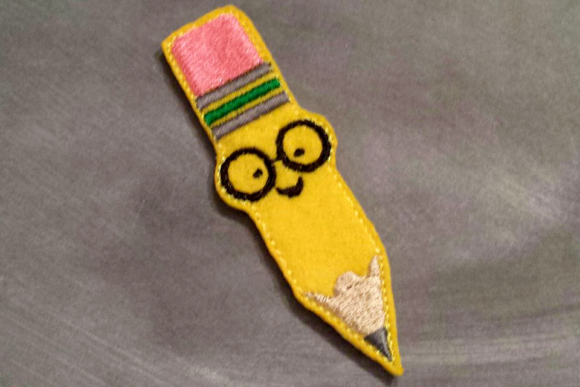
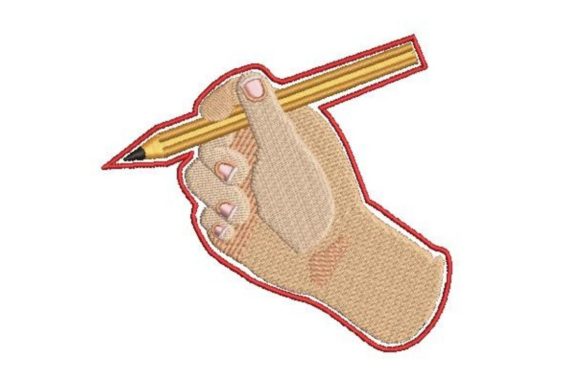
As an embroidery designer who’s tested hundreds of digital embroidery files for small shops and custom studios, I approached Pencil in Hand with quiet curiosity—not hype. This isn’t just another Back To School motif; it’s a gentle, hand-drawn-style machine embroidery design that quietly invites connection. First impression? Sweet, sincere, and softly nostalgic—like a child’s first sketch held up with pride. It feels handmade without being overly rustic, playful without tipping into cartoonish, and timeless without feeling dated. There’s warmth in the curve of the pencil, sincerity in the subtle shading, and just enough detail to feel intentional—not fussy.
What makes Pencil in Hand especially valuable is its emotional versatility. Yes, it works beautifully for school uniforms (a smart seasonal fit for Back To School), but its real strength lies in personalized gift contexts where meaning matters more than trend: baby embroidery on a muslin swaddle, a wedding gift stitched onto a linen pillow cover, or a family keepsake embroidered on a lightweight cotton blanket. I tested it across six product types—kitchen towel, nursery wall hanging, canvas tote, apron pocket, baby onesie (with caution—more on that below), and a framed embroidery hoop—and each time, it landed with quiet confidence. Customers don’t just see a pencil—they see potential, creativity, growth, and care.
For Etsy sellers and small shop owners, Pencil in Hand is a quiet workhorse. It photographs exceptionally well on light neutral fabrics—think oatmeal linen, soft ivory cotton, or natural canvas—where thread colors pop and stitch definition shines. On darker backgrounds, it gains romantic depth, especially when paired with ecru or charcoal thread. As a digital embroidery file, it encourages thoughtful customization: swap thread colors to match nursery palettes, pair it with a monogrammed initial, or layer it beneath a delicate script phrase like “Dream Big” or “Made With Love.” That flexibility makes it ideal for curated listings—whether you’re selling embroidered towels as spa gifts or pillow covers as wedding keepsakes.
That said, not every application is equally forgiving. Here’s where attention matters: Pencil in Hand includes fine line work—especially around the pencil’s eraser and graphite tip—so it demands careful execution on textured fabric (like terry cloth towels) or thick weaves (such as heavyweight canvas totes). On those surfaces, stitch density can blur delicate edges unless you adjust stabilizer support. Similarly, avoid using it on highly stretchy baby clothes unless you’ve tested extensively with tear-away + cut-away combo stabilizer and reduced stitch density. Curved surfaces—like the rounded edge of a ceramic mug sleeve or a contoured pillow cover—require precise hooping and possibly repositioning mid-stitch to prevent distortion.
Dark fabric? Absolutely viable—but only if your thread color contrast is intentional. A soft sage green pencil on navy linen reads elegant and calm; neon yellow on black reads loud and modern (and may not suit baby or wedding contexts). Always run a printable mockup first—or better yet, stitch a physical test on scrap fabric matching your final product’s weight, drape, and wash history. And remember: frequent washing affects longevity. For embroidered towels or baby blankets, choose high-quality polyester thread and confirm the design’s stitch density isn’t so tight it’ll stiffen or crack over time.
Where Pencil in Hand truly elevates your handmade product is in perceived value and emotional resonance. Unlike generic clipart motifs, this design feels considered—like it belongs. That builds customer trust, especially for digital embroidery file buyers who want assurance their finished product will look professional and heartfelt. When a new parent orders a blanket embroidery with Pencil in Hand, they’re not buying decoration—they’re investing in a symbol of early imagination. When a couple selects it for a wedding gift stitched on a kitchen towel, they’re choosing warmth over formality. That emotional connection translates directly to buyer engagement: higher cart conversion, stronger reviews (“so much more special than expected”), and repeat customers asking for matching items.
Practical embroidery notes before you stitch your first customer order:
- Always test on scrap fabric that matches your final product’s fiber content, weight, and finish—even if you’ve used the file before.
- Check thread color contrast under both natural and indoor lighting; monitor brightness can deceive.
- Confirm hoop size compatibility with your machine and intended placement—some versions may require larger hoops for optimal tension.
- Review stitch density in your embroidery software—if it looks overly dense for lightweight cotton or delicate linen, consider reducing density by 5–10%.
- Use appropriate stabilizer: medium-weight cut-away for knits, tear-away for stable wovens, and fusible + tear-away for towels or napkins.
- Compare light and dark fabric mockups side-by-side to guide thread selection and listing photography.
- Inspect small details after stitching—especially the pencil tip and wood grain lines—under magnification if needed.
- Verify commercial licensing before offering finished products for sale. If the listing doesn’t explicitly state commercial use rights, contact the designer first.
For craft fair vendors and baby product creators, Pencil in Hand is a standout in a sea of overdesigned motifs. It’s approachable for beginners yet refined enough for experienced embroiderers. For wedding gift designers, it adds quiet sophistication to otherwise simple linens. And for digital product sellers? It’s a versatile anchor file—ideal for bundling with coordinating fonts, monograms, or seasonal add-ons.
In short, Pencil in Hand isn’t flashy—but it’s memorable. It doesn’t shout; it smiles. And in the world of personalized gift products, where authenticity and intention drive purchasing decisions, that kind of quiet charm is pure gold.