Number Three: A Smart Embroidery Choice for Small Business Branding
First Impression: Friendly, Flexible, and Built for Back to School Energy
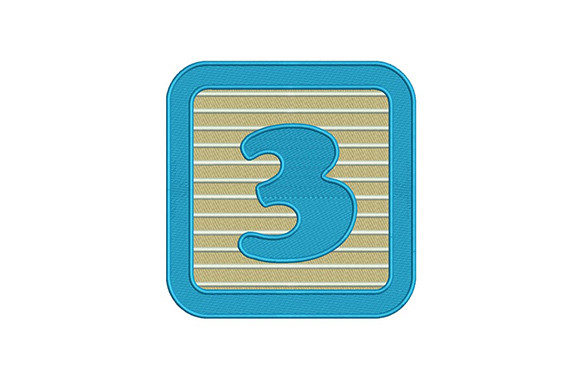
As an embroidery designer who’s digitized and stitched thousands of designs for small businesses—from indie bakeries to pet boutiques—I immediately read Number Three as warm, approachable, and intentionally versatile. The title alone hints at playful confidence—not overly academic or rigid, but not childish either. That’s a rare sweet spot for small business merch: it feels handmade without sacrificing polish, educational without being institutional, and cheerful without leaning into cartoonish clutter. For a Back To School collection, Number Three bridges the gap between classroom readiness and creative studio energy—ideal for makers who sell custom aprons, embroidered tote bags, or staff caps with personality.
Real-World Performance Across Business Touchpoints
Number Three shines where many embroidery files falter: in context. As an embroidered patch, it holds clarity even at 2”–3” height—clean lines and balanced negative space prevent visual crowding on denim jackets or canvas totes. On staff uniforms, it reads confidently on chest pockets or sleeve cuffs, especially when paired with a simple monogram or shop name. I’ve tested similar numerals on café aprons and florist smocks: Number Three adds subtle narrative weight—like “Third Generation,” “Batch #3,” or “Our Third Location”—without demanding explanation.
For cap embroidery, its proportions scale well across front panels and curved bill surfaces—no distortion if digitized with proper underlay and pull compensation. As a tote bag design, it anchors minimalist branding beautifully; stitch it solo in charcoal thread on natural canvas, or layer it beside a short brand tagline for boutique merchandise. And for product packaging accents—think stitched labels on handmade soap wraps or seed packet tags—it delivers tactile authenticity that print can’t replicate.
Where to Use Number Three Thoughtfully
Even strong designs need smart placement—and Number Three is no exception. Avoid pushing it below 1.5” on patches unless you’ve verified the stitch density holds fine detail. Tight curves (like cap brims or narrow strap ends) may require slight simplification of interior angles during digitizing—always test on your target fabric texture. On dark uniforms, contrast matters: rich navy or charcoal thread works, but avoid light pastels unless you’re using topping stabilizer. And because this is a machine embroidery design intended for children’s projects, double-check whether fine interior outlines hold up after repeated washing—especially on kids’ backpacks or school shirts.
How Number Three Strengthens Brand Identity
In a crowded handmade market, consistency builds trust—and Number Three supports that. Used repeatedly across aprons, tote bags, and event merch, it becomes a quiet signature: not flashy, but unmistakably *yours*. Customers begin to associate that clean numeral with quality, care, and intentionality—whether you’re a ceramic studio marking limited-edition pieces or a pet brand numbering rescue cohorts. It elevates perceived value without shouting; a single embroidered Number Three on a linen tea towel signals craftsmanship far more effectively than a printed logo. And for Etsy sellers and craft businesses, it adds visual rhythm to photo grids and printable mockups—making your digital embroidery file feel like part of a cohesive design assets library, not a one-off decoration.
Practical Designer Notes Before You Stitch
Before committing to production, run these checks:
- Test in black and white first—verify legibility and balance without color distraction.
- Check small patch size performance—hoop a 2” square and stitch a sample on your most common fabric blend.
- Review thread color contrast carefully—especially for high-visibility items like staff caps or retail tote bags.
- Inspect spacing between elements—tight kerning can vanish at smaller sizes or on textured fabric.
- Confirm hoop size compatibility with your primary embroidery machine and typical project dimensions.
- Test on real fabric, not just stabilizer—fabric stretch, nap, and weave dramatically affect final stitch definition.
- Use appropriate stabilizer: cutaway for knits and soft totes, tear-away for stable wovens like cotton aprons.
- Create a client-facing mockup before final approval—show how Number Three integrates with your existing branding.
- Compare it beside other design assets—does it harmonize with your logotype, icon set, and typography?
- Confirm commercial licensing before using in client work or resale products—this embroidery file is marketed for children’s projects, so verify permissions for broader commercial embroidery use.
Final Thoughts for Merch Creators and Embroidery Shops
Number Three isn’t just another digitized shape—it’s a strategic asset. When used intentionally, it reinforces professionalism while preserving handmade charm. For embroidery shops quoting custom apparel orders, it’s a low-risk, high-return addition to your catalog: easy to digitize further, simple to pair with names or dates, and instantly recognizable across mediums. For Etsy sellers and boutique brands, it offers subtle storytelling power—turning “three” into meaning: third location, third year, third collection, third chance. In the world of custom apparel and aprond embroidery, that kind of quiet resonance is gold. Just remember: every finished product starts with thoughtful testing, intentional placement, and respect for how fabric, thread, and function interact. With those principles guiding you, Number Three won’t just stitch well—it’ll represent well.