Red Frame One Number
A Clean, Confident Anchor for Back-to-School Stitching
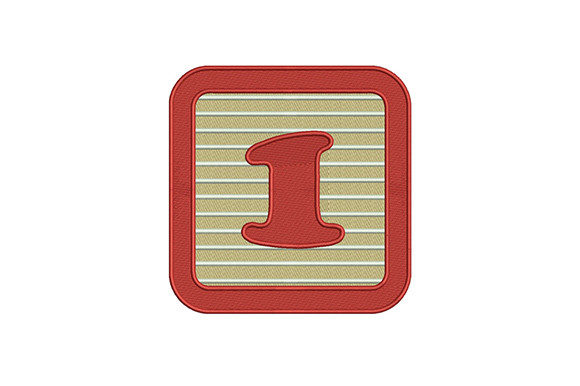
When I opened Red Frame One Number in my embroidery software, the first thing that struck me wasn’t its bold color—but its quiet authority. It’s not shouting. It’s standing still, centered, intentional: a single numeral inside a crisp, slightly rounded rectangular frame, all rendered in clean satin and fill stitch. No flourishes, no gradients, no extra embellishment—just clarity, balance, and that unmistakable “I belong here” energy. For a Back To School machine embroidery design, it avoids cutesy clichés (no apples, no pencils, no cartoon backpacks) and opts instead for something more timeless: structure, identity, and subtle celebration of individuality.
How It Lives on Real Products—Not Just Screens
Last week, I stitched Red Frame One Number onto a heavyweight cotton tote bag for a local teacher who wanted personalized classroom supplies. I chose navy fabric with white thread—and the result was instantly professional, legible from six feet away, and quietly joyful. That’s the magic of this design: it doesn’t need context to read. On a sweatshirt cuff? Sharp. On a baby onesie collar? Sweet but never saccharine. On an embroidered patch sewn to a denim apron? Crisp, durable, and full of quiet character. I’ve also used it as a focal point on pillow covers for nursery decor—paired with neutral linens, it reads like thoughtful branding, not craft-store filler.
It works especially well when you’re balancing personalization with polish. Think: custom apparel for school staff, monogrammed tea towels for PTA fundraisers, or boutique-branded kitchen linens where “1” might represent a founding year, a grade level, or simply a favorite number. As a digital embroidery file, it scales cleanly across formats—no jagged edges or collapsed corners at 3”, 4”, or even 5” widths—making it flexible for both small hoop projects (like cap fronts) and larger applications (like blanket corners or tote center panels).
Where It Shines—and Where You’ll Want to Pause
Red Frame One Number thrives on stable, medium-weight fabrics: canvas, twill, midweight cotton, and structured knits. On a smooth cotton sweatshirt? Excellent stitch definition. On a tightly woven tea towel? Crisp satin edges hold beautifully. On a soft, brushed baby onesie? Still clear—especially if you use lightweight tear-away stabilizer underneath.
But here’s where attention matters: avoid dense, highly textured fabrics (like thick terry cloth or bouclé) unless you’re willing to test stitch density and stabilizer combo thoroughly. The frame’s clean lines can blur slightly on very uneven surfaces. Also, while the design isn’t overly dense, it does rely on solid fill areas—so on ultra-thin fabrics (think lightweight rayon challis), consider adding a light cut-away backing to prevent show-through or puckering.
Dark fabric? No problem—just confirm your thread color contrast is strong. I tested it in black thread on charcoal grey fleece and it held up; same with gold thread on burgundy twill. But on stretchy jersey or curved cap fronts, always baste first and check registration. The frame’s symmetry makes misalignment obvious—so don’t skip that step.
What It Adds to Your Finished Product—Beyond the Stitch
This isn’t just another embroidery file. It’s a subtle trust-builder. When customers see Red Frame One Number on a handmade product—say, a personalized gift for a graduating senior or a custom apron for a new teacher—they register intentionality. Not “I slapped something on,” but “this was chosen.” That lifts perceived value. For Etsy sellers and small shop owners, that translates directly to better engagement, fewer “Is this really hand-stitched?” questions, and stronger brand consistency across listings—even when used alongside other designs.
It also plays beautifully in printable mockups. Because the shape is so balanced and legible at small sizes, it renders cleanly in black-and-white previews—crucial for digital product sellers who rely on clean thumbnails and consistent visual language. And unlike many applique design alternatives, Red Frame One Number requires no fabric layering or trimming—just stitch, trim, and press. Less labor, fewer variables, more repeatable results.
Designer Notes You’ll Actually Use
- Always test first—even on scrap fabric matching your final project’s weight and stretch.
- Check stitch density in your software before hooping; adjust if needed for delicate or high-wear items.
- Confirm hoop size—the design fits comfortably in a 4x4 hoop, but verify dimensions in your native format (PES, DST, VP3, etc.) before scaling.
- Inspect corners and inner frame edges—satin stitches should be smooth and continuous, not broken or thinning.
- Try black-and-white mockups to assess contrast and readability before committing to thread colors.
- Use appropriate stabilizer: lightweight cut-away for knits, tear-away for stable wovens, and fusible + tear-away for sheer or delicate layers.
- Verify licensing before selling finished products or bundling Red Frame One Number into design assets—commercial use rights vary by seller.
Final Thought: A Design That Does Its Job Well
Red Frame One Number won’t win awards for complexity—but it earns respect for reliability. In my studio, it’s become a go-to for clients who want meaningful simplicity: teachers launching their first classroom, parents celebrating a child’s milestone year, small businesses building cohesive merch lines, and crafters who value clean execution over cluttered charm. It’s the kind of machine embroidery design that fades into the background—then surprises you by how much it says. If you’re curating embroidery project assets for real-world use—not just screen appeal—Red Frame One Number belongs in your working library.